The Ohel of the Rebbeim
Rebuilt in 1989 and renovated in 2023–2024, the Ohel covering the resting places of the Tzemach Tzedek and the Rebbe Maharash is the central sacred site of Lubavitch.
Documenting the ongoing work to preserve, restore, and honor the sacred Jewish sites of Lubavitch — led by Rabbi Gavriel Gordon in partnership with Geder Avos, sponsored by Yosef and Penina Batsheva Popack.
Rebuilt in 1989 and renovated in 2023–2024, the Ohel covering the resting places of the Tzemach Tzedek and the Rebbe Maharash is the central sacred site of Lubavitch.
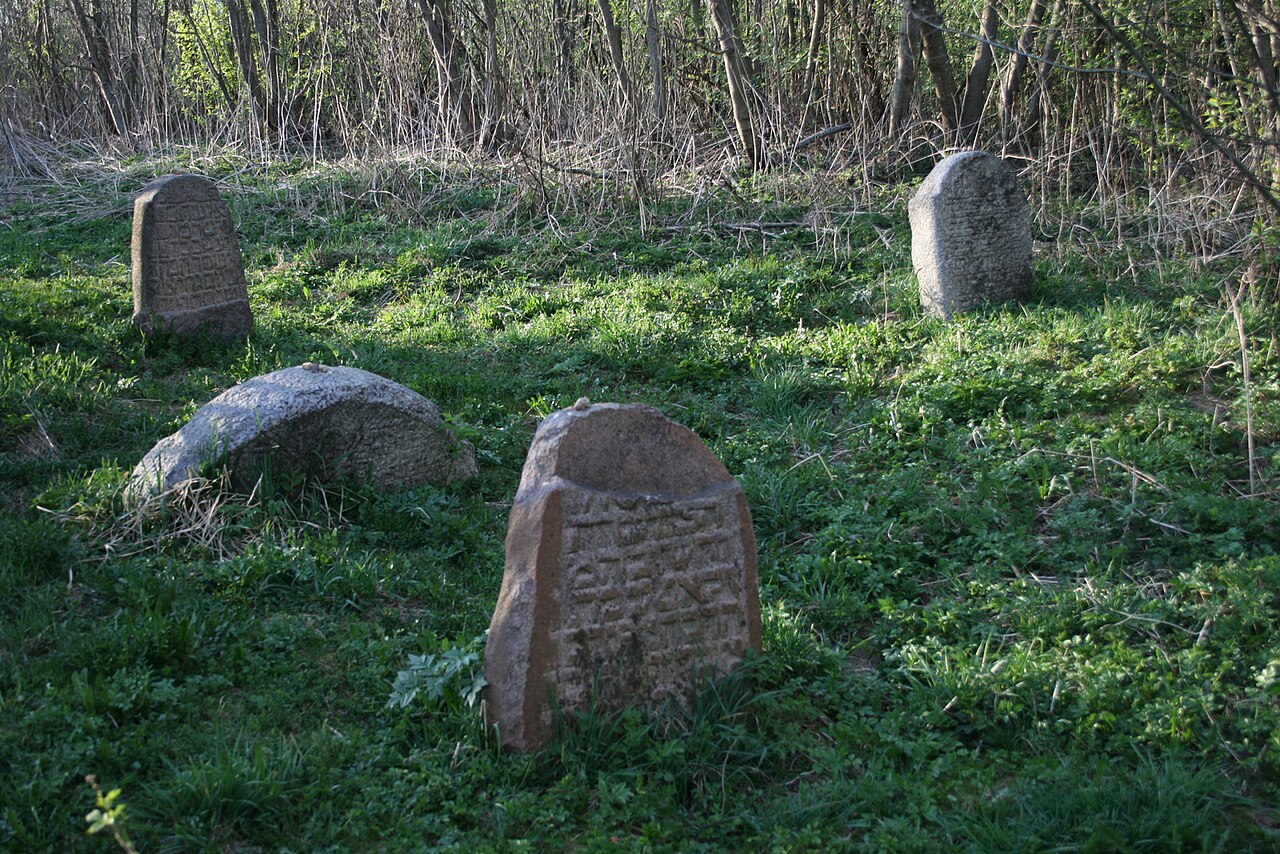
Hundreds of matzeivos were excavated, cleaned, and reinstalled in their proper positions. A complete database of every grave has been compiled and made available to researchers and descendants.
Systematic excavation, documentation, and reinstallation of matzeivos. The Geder Avos partnership has transformed the cemetery from a neglected field into a respectfully maintained historic site. A full burial database is now accessible.
The primary Ohel of the Tzemach Tzedek and Rebbe Maharash has been rebuilt (1989) and renovated (2023–2024). Structural preservation, grounds improvements, and visitor access upgrades were all completed.
The original synagogue bordering the Ohel — whose foundation was discovered in 2018 — has been fully rebuilt with an Aron Kodesh, Bima, library, and prayer spaces. It is now in active use by visiting groups.
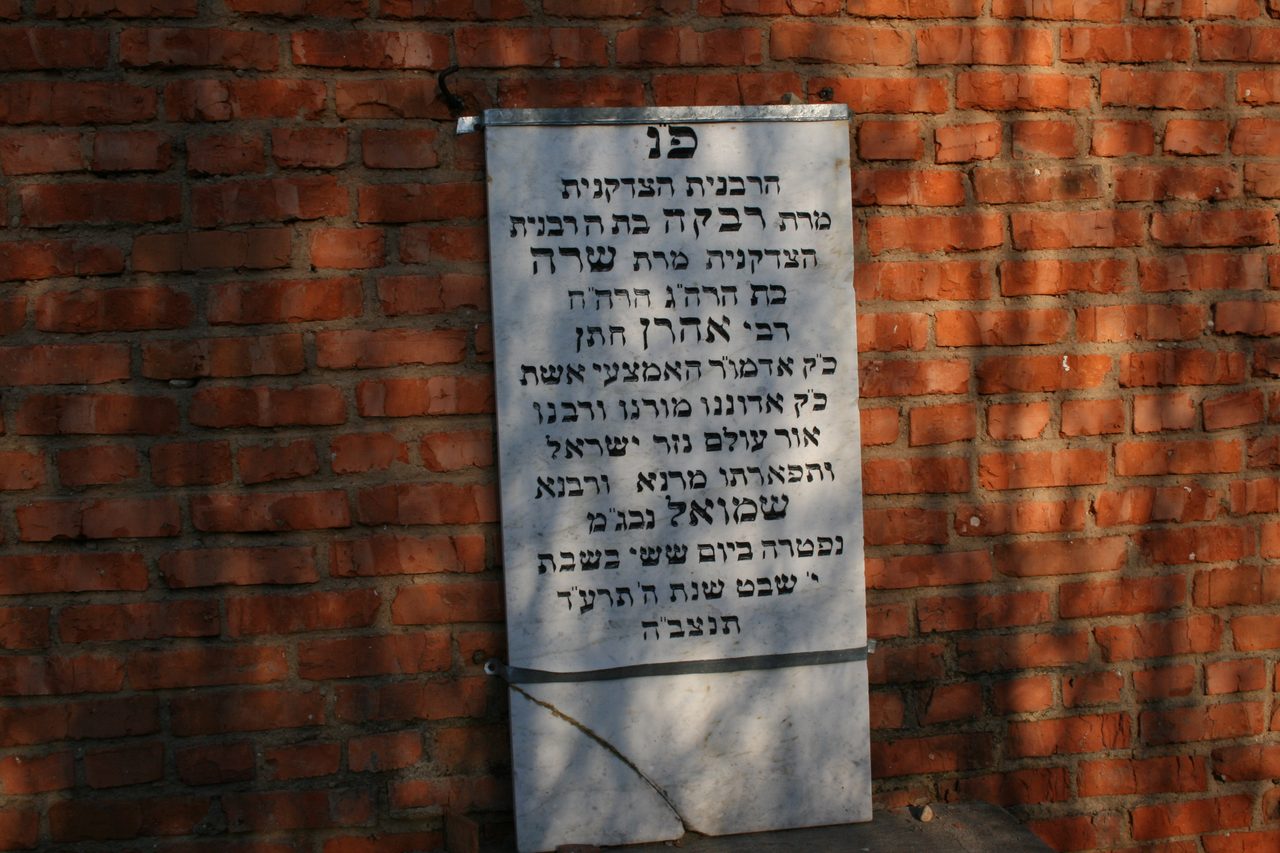
A new Ohel structure was built over the resting places of the Rebbetzins — wives and daughters of the Chabad Rebbeim — who had long been without a proper memorial structure.
Historical blueprints, photographs, archival records, and a complete burial database are being compiled. A century-old construction plan of the Chatzer has been analyzed to reveal previously unknown details.
Based on archived maps, plans are underway to restore a portion of the original Lubavitch shtetl streetscape — houses and paths that were dismantled during the Soviet period.
The restoration work is led on the ground by the local Chabad emissary in Lubavitch, who is responsible for day-to-day care of the Ohel, the cemetery, and all sacred sites. His work includes receiving visitors and pilgrimage groups, coordinating restoration phases, maintaining the Akeda Shul, and managing the ongoing archive and documentation effort.
The project operates in partnership with Geder Avos, the organization responsible for the cemetery restoration and burial database. Major restoration phases have been made possible through the generous support of Yosef and Penina Batsheva Popack and donors from the broader Chabad community worldwide.
The project continues to require documentation, careful restoration work, archival materials, historical research, and financial support. If you have photographs, documents, or memories connected to Lubavitch — or wish to contribute to the ongoing restoration — please reach out.
Get Involved