Thousands of visitors travel to Lubavitch each year to pray at the Ohel of the Rebbeim, walk the grounds of the restored cemetery, and connect with the physical place at the heart of Chabad history. The site is open to all who come with respect.
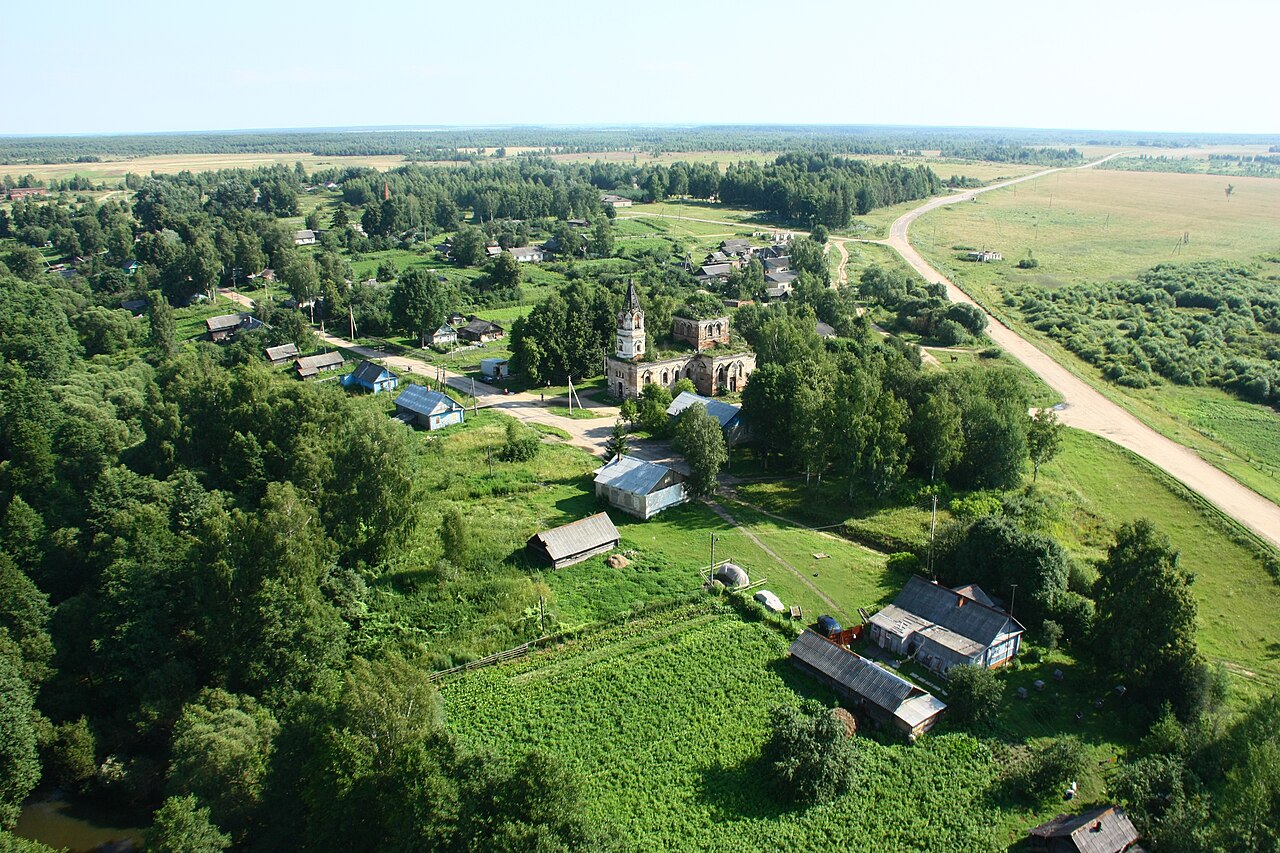
The village of Lyubavichi (Lubavitch), Smolensk Oblast, Russia — 54°50′N 30°57′E. — Wikimedia Commons
Getting There
Location
Lyubavichi is a village in the Rudnyansky District of Smolensk Oblast, Russia, approximately 55 km northeast of Smolensk city. Coordinates: 54°50′06″N, 30°57′23″E.
The nearest major city is Smolensk, which is accessible by train from Moscow (approximately 4 hours) and other Russian cities.
Reaching the Village
From Smolensk, Lubavitch is approximately a 1–1.5 hour drive by road. Many visitors arrive as part of organized group tours coordinated through Chabad channels or through Rabbi Gavriel Gordon’s office directly.
Individual travelers should contact the project team in advance to coordinate access, as some areas require guide accompaniment.
What to See and Do
The Ohel of the Rebbeim
The primary destination for most visitors. The Ohel covers the resting places of the Tzemach Tzedek and the Rebbe Maharash. Prayer, recitation of Tehillim, and quiet reflection are the appropriate activities. The adjacent Akeda Shul is available for minyanim and learning.
The Historic Cemetery
The restored cemetery, spanning approximately 70 by 150 meters, can be visited to pay respects at the graves of Rebbeim, Rebbetzins, and community members. The complete burial database is available to help visitors locate specific graves of ancestors or historical figures.
The Schneerson House
A guest house and small museum that provides accommodation for visitors and context for the history of Chabad in Lubavitch. Maps, photographs, and historical materials help visitors understand the significance of the sites around them.
Chatzer Information Center
The information center "Hatzer Raboteinu Nesieinu Belubavitch" is located on the historic site of the Rebbe’s courtyard and documents 102 years of Chabad leadership in Lubavitch through maps, photographs, and artifacts.
The Village Landscape
Walking the streets and paths of Lubavitch — following the route from the village center to the cemetery, seeing the forest and river landscape that has barely changed since the 19th century — is a meaningful experience in itself.
The Akeda Shul
The recently rebuilt synagogue beside the Ohel is available for prayer and study. Groups who coordinate in advance can arrange a minyan, shiurim, and guided explanation of the shul’s remarkable history — including the last Maamar spoken in Russia in 1922.
Respectful Conduct
Dress modestly and respectfully for all sacred sites.
Maintain quiet near the Ohel, cemetery, and shul.
Do not move, disturb, or photograph gravestones disrespectfully.
Do not photograph people without permission.
Coordinate group visits in advance through the project office.
Follow guidance from Rabbi Gordon and local caretakers.
Do not remove any objects, stones, or materials from the site.
Leave the site as you found it, or better.
Plan Your Visit
Whether you are coming as an individual, a family, or a large group — whether for prayer, genealogical research, historical study, or spiritual pilgrimage — please contact the project team in advance. Rabbi Gavriel Gordon and the local team welcome visitors and can help arrange access, accommodation, and guidance.